
Trips & services
Choose how you want to see Tanzania
Trips filed under "Kilimanjaro". See every trip instead.
 7 days
Kilimanjaro
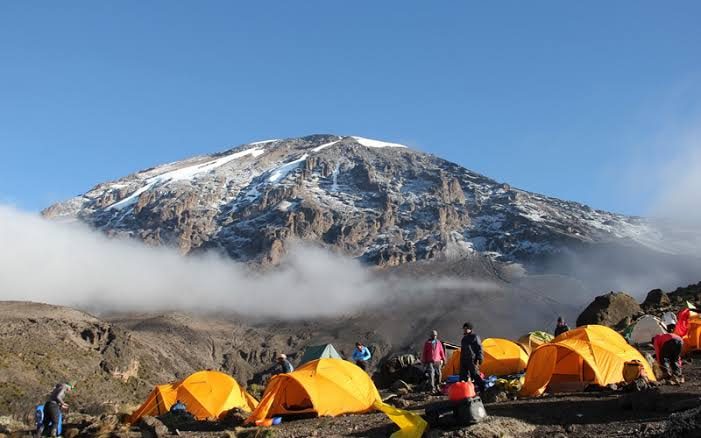
Kilimanjaro Climb
Africa's highest peak, climbed on any of its established routes, from a five day Marangu ascent to a longer, higher-success Lemosho route.
 8 days
Kilimanjaro
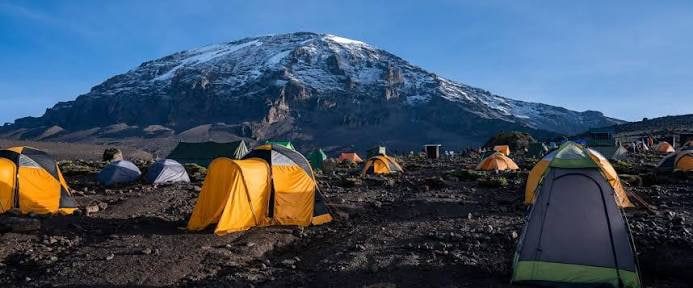
Lemosho Route Climb
A scenic western approach across the Shira Plateau, with extra acclimatization days for one of the better summit success rates.
 7 days
Kilimanjaro
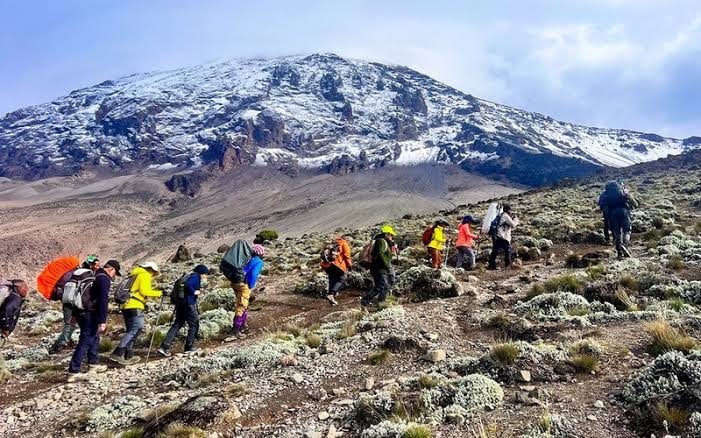
Machame Route Climb
The classic southern approach, nicknamed the "Whiskey Route" - scenic, popular, and camping only.
 6 days
Kilimanjaro
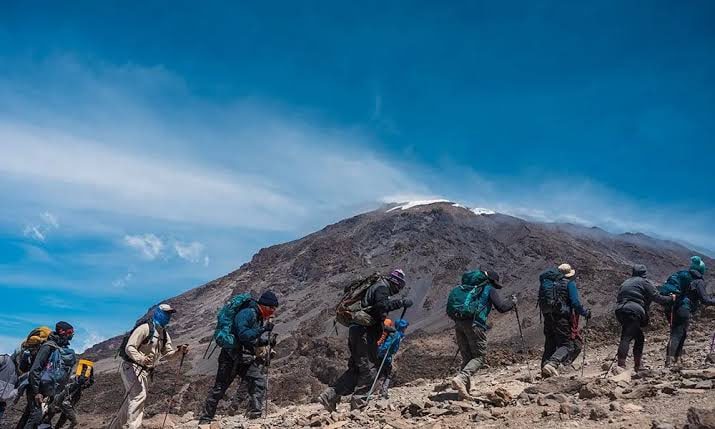
Marangu Route Climb
The only route with hut accommodation instead of tents, nicknamed the "Coca-Cola Route" - the shortest standard option.
 9 days
Kilimanjaro
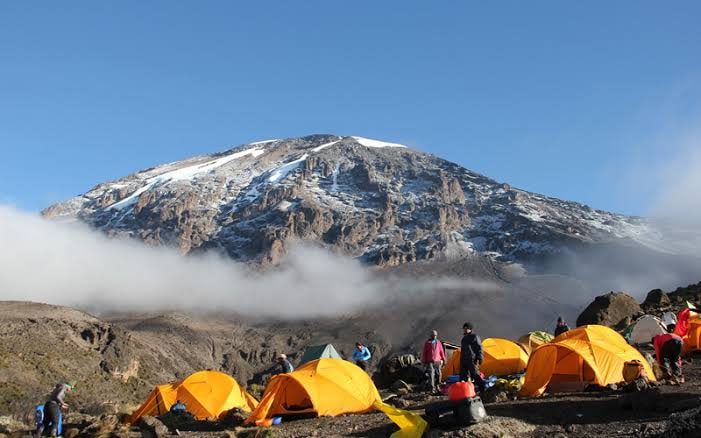
Northern Circuit Climb
The longest and newest official route, circling almost the entire mountain for the highest summit success rate.
 7 days
Kilimanjaro
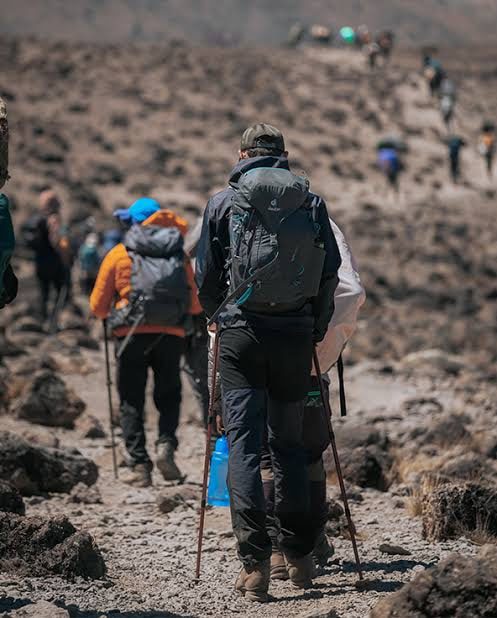
Rongai Route Climb
The only route approaching from the north, near the Kenyan border - quieter, gentler, and drier.
 6 days
Kilimanjaro
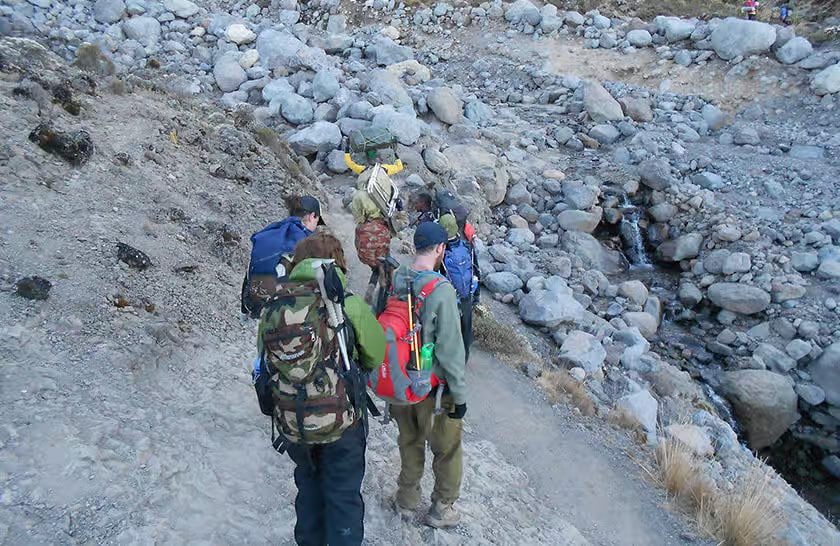
Umbwe Route Climb
The steepest and most direct line up the mountain - remote, quiet, and best suited to experienced trekkers.
Five worlds, one mountain
The ecological zones of Kilimanjaro
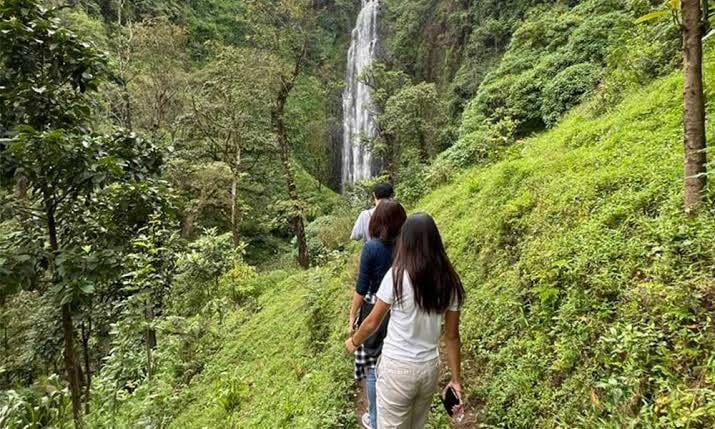
800m - 1,800m
Cultivation Zone
The trek begins among farmland and villages at the mountain's base, where the climate is warm and the terrain gentle.
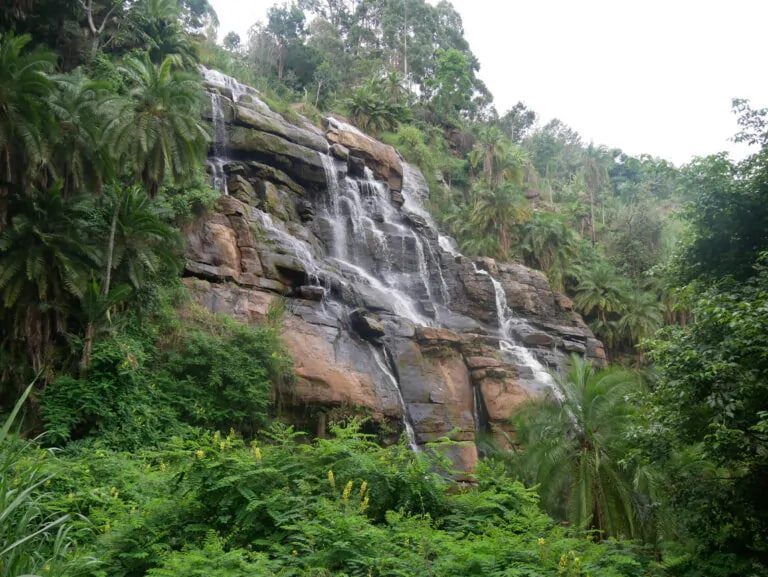
1,800m - 2,800m
Rainforest Zone
Dense montane forest, home to colobus monkeys and rich birdlife, with cooler air and frequent mist.
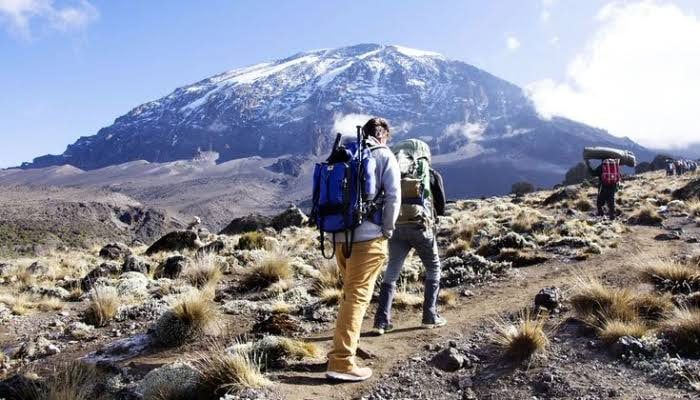
2,800m - 4,000m
Moorland Zone
Heather and giant lobelias give way to open moorland, with sharp swings between hot days and freezing nights.
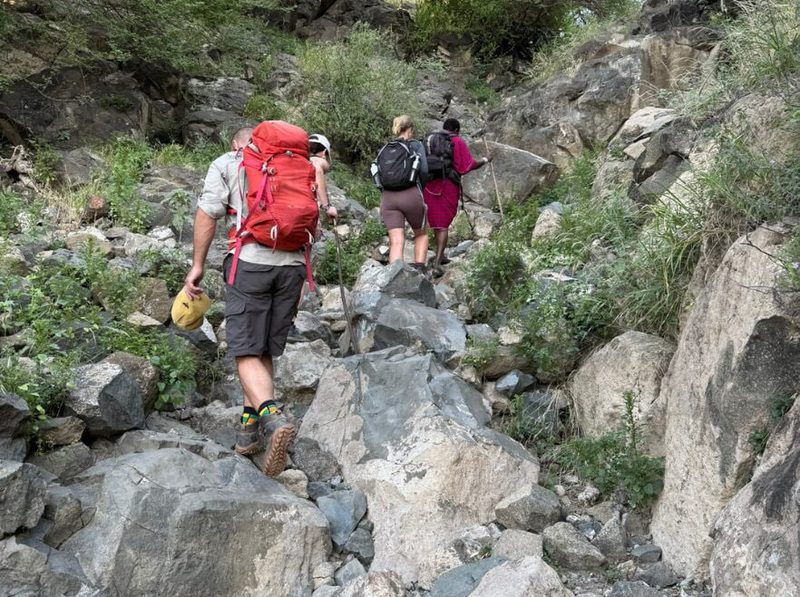
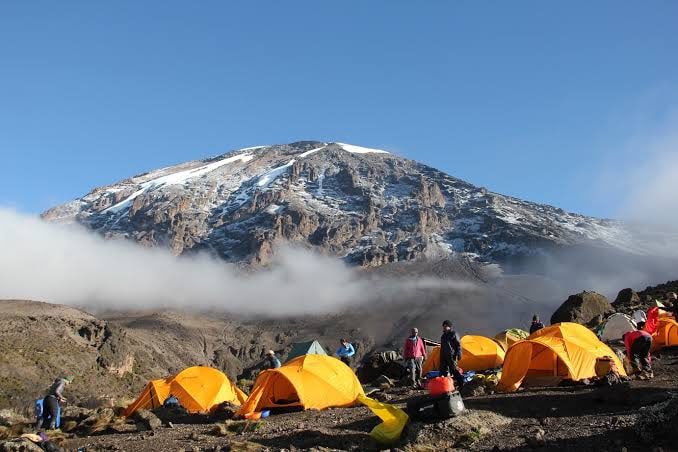
4,000m - 5,000m
Alpine Desert Zone
A stark, rocky landscape with little vegetation and thin air, where acclimatization matters most.
5,000m+
Arctic Summit Zone
Rock, ice and glaciers lead to Uhuru Peak, the roof of Africa.
Getting ready
How to prepare for your climb
Build your fitness
Regular cardio and hiking with a loaded daypack in the months before your climb makes a real difference on summit day.
Break in your boots
Wear your hiking boots on multiple training walks beforehand, the mountain is the wrong place to discover a blister.
Pack in layers
Temperatures range from tropical heat at the base to well below freezing at the summit. Layered clothing lets you adjust as you climb.
Go slowly
On the mountain, a slow, steady pace ("pole pole" in Swahili) helps you acclimatize and is the single biggest factor in reaching the summit.
Stay hydrated
High altitude increases fluid loss. Drinking regularly throughout each day's trek helps reduce altitude-related symptoms.
Talk to your doctor
A pre-trip medical check, including a conversation about altitude sickness medication, is worth doing well before departure.
Questions
Climbing Kilimanjaro — FAQ
Do I need prior climbing experience?
No technical climbing skill is needed on any of the standard routes, just a good level of fitness. It is a long trek at altitude rather than a technical climb.
What is the best time of year to climb?
Kilimanjaro can be climbed year round, but the driest and most popular windows are late June through October and late December through mid March.
How do I deal with altitude sickness?
A slow pace, a route with enough acclimatization days built in, staying hydrated and telling your guide about any symptoms early all make a real difference. Your guide monitors everyone daily.
What is included in the price?
Exactly what is included varies by route and package, park fees, guides, porters, meals and camping or hut fees are the usual core, confirmed in writing before you book.